History & Sight-seeing
(The Cadboll Stone)
Picts started growing barley – the crop used to make malt for whisky – thousands of years ago and the Picts, the painted people, had a unique and artistic culture.
Glenmorangie House has one of the best examples ever found of Pictish stonework on its land, dating back to the 8th century. The original stone is now in Edinburgh at the National Museum of Scotland, but the Distillery arranged to have a replica made which stands in the same spot. The carvings are truly fantastic and the legend of the Cadboll Stone inspires the distillers of Glenmorangie now, as much as it did in the early days of the distillery in 1843. The lower panel has a kaleidoscopic design, adopted by Glenmorangie as its brand emblem – the Glenmorangie Signet.
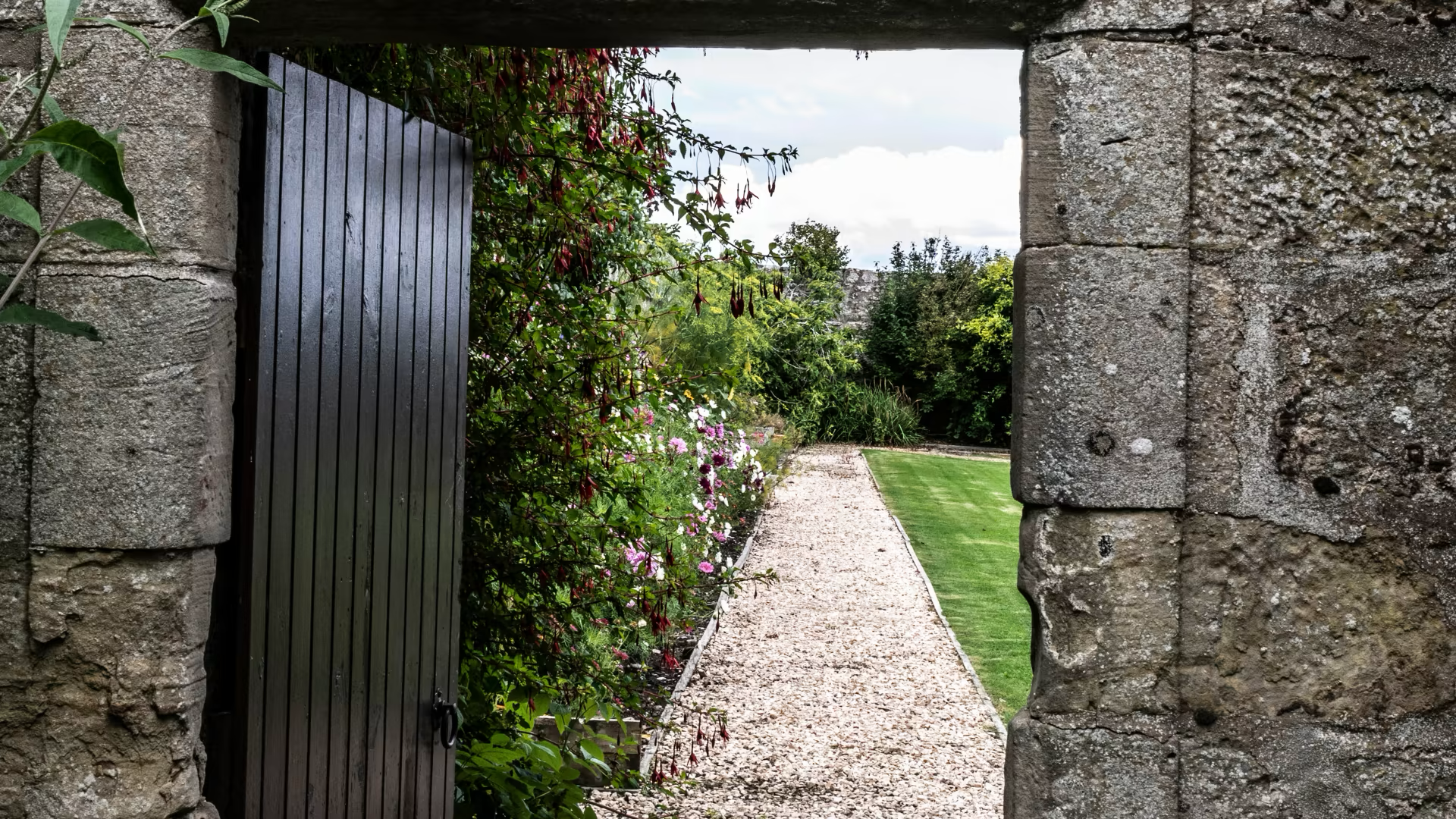
Part of Glenmorangie House itself dates back to the 17th century. Local legend has it that there is an underground tunnel running from the house to the private beach used by smugglers in the 18th century, although where exactly the tunnel is located is a mystery today.
Further afield
The town of Tain was founded in 1066 and is Scotland’s oldest Royal burgh. The town is full of historic buildings and has a “Tain through time” trail for the visitor. A pretty and picturesque place to visit with shops stocking traditional Scottish goods, pubs and eateries. In August Tain plays host to the Highland Gathering with Highland Games, events and entertainment.
Take a look at the selection of links below: